Urgent help now? Call 911 · Crisis line: 988
Eating difficulties

Worried about how your child is eating? You don't need a diagnosis to get help.

A father sits with his son on their front porch, talking and listening as the boy holds a soccer ball

You don't need a diagnosis, a referral or anyone's permission to get help. Eating difficulties are easiest to turn around early — and early is exactly when most families are told to wait. Univa is built for right now.

Built on proven interventions
Co-created with families in recovery
Clinically developed
A parent and child talking together at home

You noticed something. That matters.

Parents usually notice long before anyone else — and often long before a diagnosis is possible. That instinct isn't overreacting. It's information.

You don't have to wait until things are worse to deserve help. The earlier eating difficulties are met, the more likely they are to stay small.

Two patterns worth knowing

Avoidant eating (ARFID-like)

A narrow range of foods, strong reactions to texture or smell. Not about weight — and not picky eating.

This program is not yet available to buy.

Restrictive eating

New rules and anxiety about food, cutting out food groups, sometimes worries about weight. Can be an early sign of anorexia — met early, often isn't.

Not sure which fits? Book a free call.

A woman pausing thoughtfully by a window at home

When should you act?

Now is a good time. Eating difficulties respond best to early support, and no professional will ever criticize you for acting on a worry. See your primary care doctor if you're concerned — a primary care doctor visit and Univa aren't either/or. Start both.

If your child is unwell right now — fainting, or too weak for daily life — call 911 or go to the nearest ER.

What you'll have in your pocket

What you and your child will actually be using, day to day.
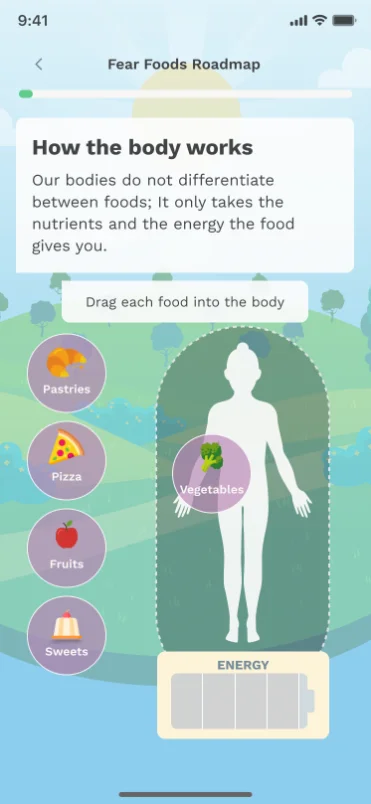
Screenshot: weekly modules across both apps

Weekly modules, two apps

Your weekly modules run a week ahead of your child's, so you know what's coming before they get there.
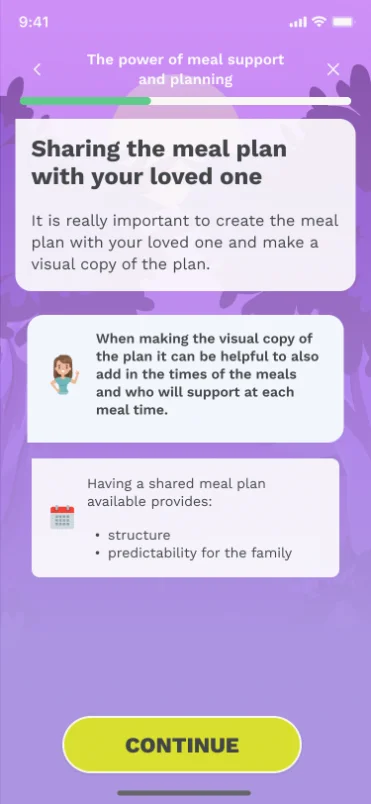
Screenshot: meal planning and support

Meal planning and support

What to plan, what to say, and what to do during those distressing meal times

Screenshot: diaries

Diaries

Food, thoughts and feelings, recorded simply — and shared with your care team only when you choose.
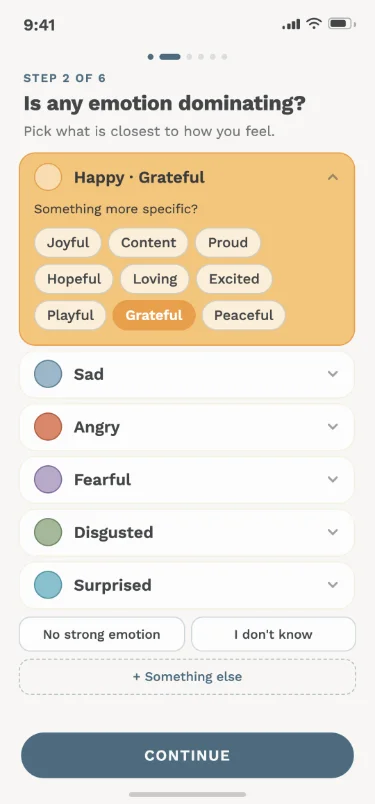
Screenshot: early warning signs

Early warning signs

Your child logs what they're noticing, you log what you're seeing — and shared with your care team only when you choose to help with better support

A few of the things you'll find inside. Behind them sit dozens of modules and videos from families who’ve been there, and other tools to help you and your child.

Small steps, with someone beside you

Structure in the place treatment rarely reaches: your home.

Your own app

What to say and do at the table tonight — skills from the New Maudsley approach, in plain language, a few minutes at a time.

An app for your child, when it helps

On the restrictive eating program, your child (12+) gets their own gentle, paced program, connected to yours.

Hundreds of real videos

Parents and young people who've been exactly here, showing what helped.

Progress you can both see

Tiny wins tracked and celebrated — because in this world, the teeniest steps deserve celebration.

"

The app's reminders have been extremely helpful for us, especially when there is partial food refusal.

— Mother with a daughter experiencing restrictive eating

See programs and pricing

Why today beats next month

Eating difficulties grow in silence. Acting early does the opposite — families who start early report calmer mealtimes sooner, and early intervention gives recovery its best chance.

You can't control everything about this.
You can control when help starts.

You noticed early. Now act early.

One small step further forward, today.

Is this right for me?

What are you facing right now?

This program is not yet available to buy.

We've seen a change — meals skipped, foods cut out, worries about weight or body — but there's no diagnosis
Our child has anorexia

Anorexia care program →

Our child avoids so many foods, and it's not about weight — ARFID, or something like it

ARFID care program →

Still unsure? Book a free call and we'll help you choose.

Questions families ask

If you're worried enough to be reading this page, yes. Early intervention exists precisely for the stage before things feel "serious enough". Starting small and early is the point.
Then you'll have spent a few weeks learning skills every family could use, and calm was never wasted. But if it's more than a phase, you'll be months ahead of it.
No. The caregiver programs are for you, in your own right. Many families start there — and children and adolescents often join their own app later, when they're ready. Recovery works best when the individual feels motivated to start.
The early intervention program is $49 per month, cancel anytime.
A father sits with his son on their front porch, talking and listening as the boy holds a soccer ball
Eating difficulties

Worried about how your child is eating? You don't need a diagnosis to get help.

You don't need a diagnosis, a referral or anyone's permission to get help. Eating difficulties are easiest to turn around early — and early is exactly when most families are told to wait. Univa is built for right now. Is this the right program for me? →

Built on proven interventions • Co-created with families in recovery • Clinically developed
A parent and child talking together at home

You noticed something. That matters.

Maybe meals have become quieter, or slower, or a negotiation. Maybe the list of foods your child will eat keeps getting shorter. Maybe they seem worried about food in a way they didn't used to be.

Parents usually notice long before anyone else — and often long before a diagnosis is possible. That instinct isn't overreacting. It's information.

You don't have to wait until things are worse to deserve help. The earlier eating difficulties are met, the more likely they are to stay small.

Not all eating difficulties are the same

Eating difficulties in children and young people follow one of several broad patterns. Knowing which one you're seeing helps you choose the right support. Here are two worth knowing about.

Avoidant eating (ARFID-like)

A narrow range of accepted foods, strong reactions to texture, smell or appearance, fear after choking or being sick, or little interest in food at all. Body image usually has nothing to do with it. This is sometimes diagnosed as ARFID (Avoidant/Restrictive Food Intake Disorder) — and it isn't picky eating, and it isn't your parenting.

ARFID and avoidant eating program →

This program is not yet available to buy.

Restrictive eating

Eating less, cutting out food groups, new rules about food, anxiety about eating, more interest in food than before but less eating of it. Sometimes connected with worries about body or weight. This pattern can be an early sign of anorexia — and met early, it often doesn't become one.

Not sure which fits? That's common — the patterns can overlap. Book a free call and we'll help you work out where to start.

When should you act?

Now is a good time. That's not a slogan — it's what the evidence says. Eating difficulties respond best to early support, and no professional will ever criticize you for acting on a worry.

See your primary care doctor if you're concerned, especially if your child is losing weight, avoiding more and more foods, or if eating is affecting their energy, mood or growth. A primary care doctor visit and Univa aren't either/or — start both. If you're placed on a waiting list, Univa supports your family while you wait, and with your consent we can share a summary of your progress with your care team when treatment begins.

If your child is unwell right now — fainting, or too weak for daily life — don't wait for anyone. Call 911 or go to the nearest ER.
A woman pausing thoughtfully by a window at home

What you'll have in your pocket

Built by the clinicians who treat this, and the families who live it. Which is why it's designed for exactly where you are. Something has changed, nobody has given it a name yet, and you'd rather act now than wait and watch.

Screenshot: weekly modules across both apps

Weekly modules, two apps

Your weekly modules run a week ahead of your child's, so you know what's coming before they get there.

Screenshot: meal planning and support

Meal planning and support

What to plan, what to say, and what to do during those distressing meal times

Screenshot: diaries

Diaries

Food, thoughts and feelings, recorded simply — and shared with your care team only when you choose.

Screenshot: early warning signs

Early warning signs

Your child logs what they're noticing, you log what you're seeing — and shared with your care team only when you choose to help with better support

A few of the things you'll find inside. Behind them sit dozens of modules and videos from families who’ve been there, and other tools to help you and your child.

Small steps, with someone beside you

Univa's early intervention programs give your family structure in the exact place treatment rarely reaches: your home, between everything else.

Your own app

What to say and do at the table tonight — skills from the New Maudsley approach, in plain language, a few minutes at a time.

An app for your child, when it helps

On the restrictive eating program, your child (12+) gets their own gentle, paced program, connected to yours.

Hundreds of real videos

Parents and young people who've been exactly here, showing what helped.

Progress you can both see

Tiny wins tracked and celebrated — because in this world, the teeniest steps deserve celebration.

"

The app's reminders have been extremely helpful for us, especially when there is partial food refusal.

— Mother with a daughter experiencing restrictive eating

See programs and pricing

Why today beats next month

Eating difficulties tend to grow in silence — routines harden, worry compounds, and the illness fills whatever time it's given. Acting early does the opposite. Families who start support early report calmer mealtimes sooner, and clinicians consistently make the same point: early intervention gives recovery its best chance. That's why clinical guidance puts prevention and early support first.

You can't control everything about this.
You can control when help starts.

You noticed early. Now act early.

Choose the program that fits what you're seeing, or talk it through with us first. Either way, today your family can be one small step further forward.

Is this right for me?

Answer one question: what are you facing right now?

This program is not yet available to buy.

We've seen a change — meals skipped, foods cut out, worries about weight or body — but there's no diagnosis
Our child has anorexia
Anorexia care program →
Our child avoids so many foods, and it's not about weight — ARFID, or something like it
ARFID care program →

Still unsure? Book a free 15-minute call and we'll help you choose.

Questions families ask

Is this serious enough for a program?
If you're worried enough to be reading this page, yes. Early intervention exists precisely for the stage before things feel "serious enough". Starting small and early is the point.
What if it really is just a phase?
Then you'll have spent a few weeks learning skills every family could use, and calm was never wasted. But if it's more than a phase, you'll be months ahead of it.
Do we need our child to agree first?
No. The caregiver programs are for you, in your own right. Many families start there — and children and adolescents often join their own app later, when they're ready. Recovery works best when the individual feels motivated to start.
What does it cost?
The early intervention program is $49 per month, cancel anytime.
Urgent help now? Call 911 or go to the nearest ER.
Call or text 988 (Suicide & Crisis Lifeline).
If you or your loved one needs urgent help now, call 911 or go to the nearest ER. For crisis support, call or text 988 (Suicide & Crisis Lifeline).
Book a free 15-minute call

A private, no-obligation chat with someone from our family support team. No diagnosis, referral or waiting list needed.

A private, no-obligation chat with someone from our family support team. No diagnosis, referral or waiting list needed.

WHO ARE YOU WORRIED ABOUT?
WHEN SUITS YOU FOR A CALL?
We use these details only to arrange your call.

Your call is booked in

Someone from our family support team will email you within one working day with times that match. Nothing to prepare — just come as you are.

If things feel urgent tonight, call 911 or call or text 988.